
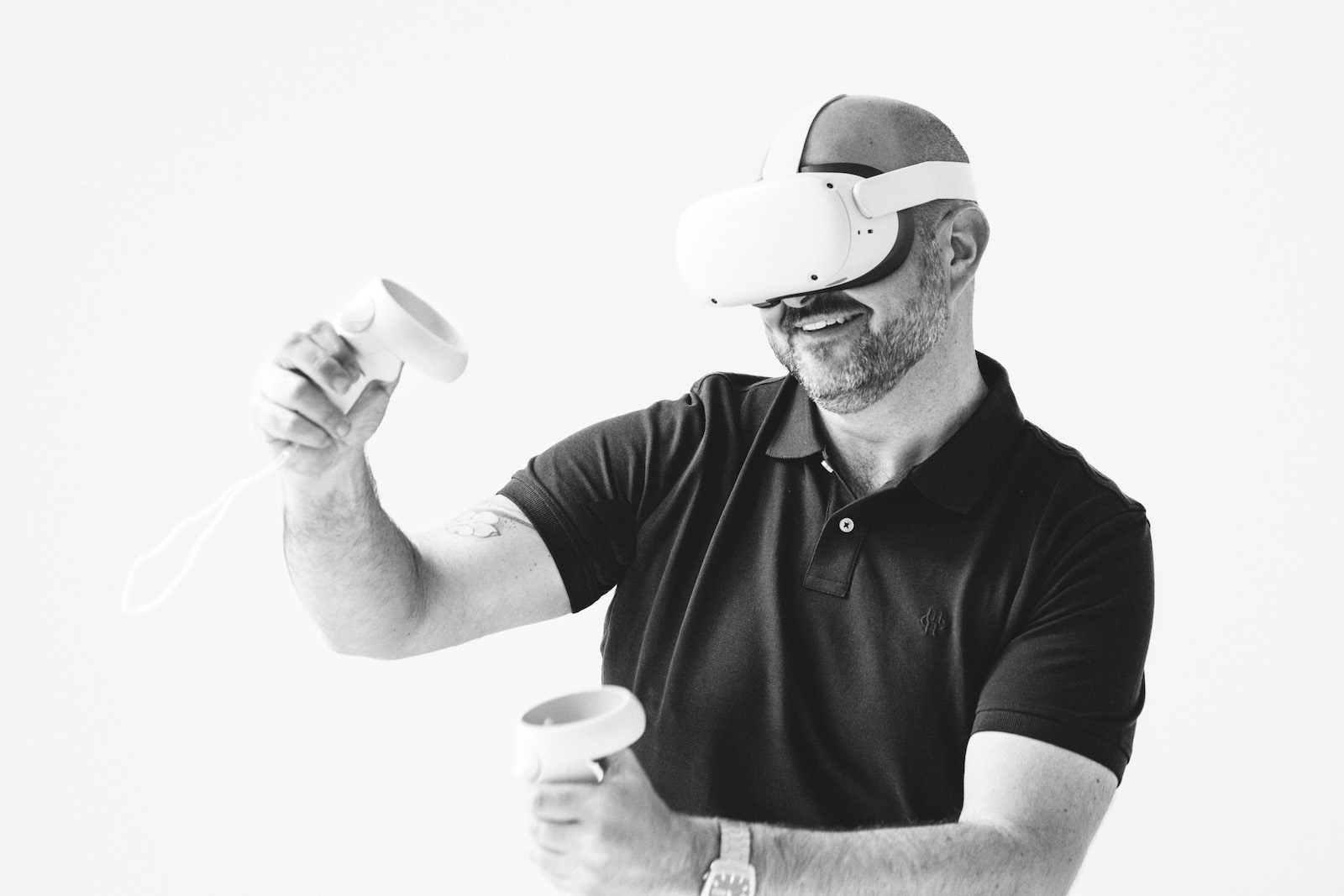


The holidays are more than just a time for reflection. They’re a rare window into how technology seeps into our most personal moments. When families gather with multiple generations under one roof, it’s a rare opportunity to witness how toddlers and grandparents interact with the latest devices. These micro-moments aren’t just heartwarming or humorous, they’re clues to the lifestyle trends poised to shape the coming year.
It is easy to get swept up in headlines about billion-dollar data centers or sweeping new tech policies. But what is important for most of us are the everyday ways technology changes how we live, shop, learn, and connect. There is plenty to be excited about in 2026 and beyond, especially when looking at how trends are playing out in our living rooms and during family trips. Here are a few consumer tech trends that are set to have an impact in the year ahead.
From Hype to Everyday Help: The Next Wave of AI
AI has dominated the conversation in recent years and for good reason. Even as some warn of an “AI bubble,” the foundation for a new era of innovation is already laid. If history is any guide, a market correction will not slow the underlying progress. Instead, we will see artificial intelligence steadily become more useful in our daily routines. In 2026, expect to see it move from novel chatbots to truly actionable tools. Many consumers have experimented with large language models for internet searches or document summaries. But soon we will be leveraging AI for a wider array of everyday activities that are designed to make tasks more efficient.
Agentic Commerce: Imagine shopping with an AI assistant that does not just recommend products, but finds, compares, and purchases them for you, all within a chat window. Younger shoppers are already embracing these tools, and analysts predict they will drive trillions in sales. Soon, these helpful agents will be everywhere, from travel bookings and real estate to personalized healthcare.
Wearables Reimagined: Walk down any street and you will see it: heads bowed, eyes glued to smartphones, social interaction put on pause. The race is on to create the next “it” device that frees us from our screens and better blends technology into our lives.
The standout from Meta’s Metaverse initiative was Ray-Ban smart glasses, which continue to evolve and generate buzz among consumers. Industry heavyweights like Google and Apple are poised to launch their own AI-powered smart glasses in 2026, aiming to seamlessly integrate the technology within their respective vast ecosystems. Meanwhile, OpenAI is taking a different approach with a screen-free, audio-visual device designed to interpret your environment and respond to your needs. Backed by Apple’s former Chief Design Officer, Jony Ive, who designed the iMac, iPod and iPhone, this partnership hopes to redefine the category of wearable technology.
Robotaxis: 2026 could be the year robotaxis become an everyday reality. Waymo’s autonomous vehicles are already mapping and taxiing passengers in select cities, and expansion to more than two dozen markets is on the horizon. Amazon’s Zoox, which doesn’t have steering wheels or pedals, is now federally approved for public roads. Uber and Lucid just unveiled their robotaxi at the Consumer Electronics Show (CES) and plan to deploy 20,000 of them in the US over the next five years. Meanwhile, carmakers like GM, Hyundai, and Tesla are ramping up efforts to compete for on-demand passenger transport. It’s the same trajectory we saw with ride-sharing services. Expect these driverless cars to become a familiar sight, and soon, a common mode of transport.
Robotic Assistance: For over a decade, Alexa and Siri have served as friendly helpers, sometimes subjected to one-way conversations while their owners toil nearby. But with the evolution of GenAI, expectations for the role that home devices play are expanding. In 2024 and 2025, therapy and companionship emerged as the most popular use case for GenAI. While it should not replace a professional for mental health concerns, it is a sign that people are ready for this technology to become an even bigger part of their lives. And as populations age and birth rates fall, especially in developed nations like Japan and the Uthe demand for robotic assistance in the home is set to soar. While fully autonomous home robots are still in the prototype stage, early adopters will soon see bots handling chores, offering mobility help, and providing companionship. This shift may be gradual, and we may only see iterative advancements over the next year, but the trajectory is inevitable.
AI-Linked Pet Devices: While AI’s role in child education and development is sparking debate and proposed policy guardrails, our pets are free from those concerns and next in line to benefit from the technology. U.S. households will spend over $150 billion on pets this year, making it the nation’s largest discretionary spending category, with China close behind at roughly $42 billion. At CES, several innovations stood out, such as FrontierX’s Vex robot, which follows your dog or cat around the home, capturing low‑angle “highlight reels” reminiscent of what owners expect from a proper sitter. Meanwhile, Satellai’s AI-powered Collar Go tracks behavior, sleep, location, and vital signs to create a “digital twin” of your dog, surfacing early wellness insights. As AI becomes more personal and pet budgets remain strong, expect technology that entertains, monitors, and cares for our furry friends in ways we could only imagine before.
Looking Ahead: The Future Feels Personal
What stands out in all these trends is the increasingly personal nature of technology. The devices and services that will define the next decade aren’t just about faster chips or bigger data; they’re about fitting seamlessly into our lives, meeting us where we are, and making every day just a little more convenient.
At Trilligent, we work across many of these emerging technology areas, drawing on our expertise to help organizations navigate change and seize opportunities as these trends reshape everyday life.
RELATED ARTICLES



Perspectives


Perspectives